
A Thorough Handbook to Taking Care of Your Righteous Clothing
Wash after wash, what you do post-purchase determines whether a garment turns into a wardrobe staple or a regret shoved to the back of a drawer—buying it is just the beginning. This walkthrough lays out down-to-earth maintenance guidance for anyone who owns or is considering pieces from We Are Righteous, a brand that has built its name on heavyweight cotton, considered construction, and streetwear silhouettes designed to remain relevant long after trends fade. Anyone who’s browsed a righteous review beforehand already knows the fabric quality tends to get called out. This piece takes over from there, centring on the care side of things: how to clean, dry, store, and mend your pieces to preserve that first-day appearance.
Why Proper Care Matters More Than You’d Expect
Poor manufacturing rarely causes clothing to fail — poor aftercare does. High temperatures, aggressive tumbling, and harsh cleaning agents cause the lion’s share of premature fading, shrinking, and material degradation seen in typical closets. A 2025 industry survey on garment longevity found that over 60% of reported quality complaints traced back to wrong laundering temperatures rather than factory-side errors. That statistic matters here because Righteous clothing, especially the heavyweight hoodies and fleece pieces, is constructed using dense cotton blends meant to keep their structure and colour long-term, but only if handled the right way.
Consider it like this: a 400gsm cotton hoodie behaves very differently in the wash than a lightweight 180gsm tee. The denser the material, the more moisture it soaks up, the longer the drying time, and the more care heat exposure requires. Overlooking this difference is the main reason people wind up let down by well-made garments. Maintenance is far from an afterthought here — it’s part of what you’re paying for.
Washing Your Righteous Hoodie the Right Way
The righteous hoodie has grown into something of a hallmark item for the label, warranting its own dedicated care notes. Flip it inside out ahead of laundering. This single step protects any printed or embroidered branding from friction damage against zippers, buttons, or other garments in the load. Wash in cold water, ideally between 30°C and 40°C, using righteous logo tee a mild detergent free of optical brighteners, which can dull dark colourways over time.
Don’t overfill the washing machine. An overpacked drum leads to poorer water flow, extra creasing, and patchy detergent spread — all of which speed up wear on heavyweight fleece.
Steer clear of fabric softener full stop. It coats cotton fibres with a filmy residue that lessens breathability and can make printed graphics flake faster. If you want a more supple hand-feel, a wool dryer ball or an extra rinse cycle gets the same result without the need for chemicals. Keep darks and lights in separate loads for at least the first four-to-five washes, since that’s generally when the slight residual dye release takes place. Beyond that point, colour transfer risk decreases considerably.
Air-Drying: The Most Commonly Botched Step
Machine drying stands as the chief threat of keeping its shape in thick cotton garments. Elevated heat leads to uneven fibre contraction, which is why so many hoodies come out of the dryer noticeably shorter in the body and sleeves after only a few cycles. For anyone with multiple Righteous apparel garments, air drying ought to be the standard practice, not merely a backup.
Place garments flat on a drying rack or a clean towel instead of hanging them from the shoulders. Wet, heavy cotton left hanging puts strain on shoulder seams and can permanently distort the neckline over time. Adjust the garment’s form while it remains moist, flattening the cuffs, hem, and hood so it dries in its original form. In humid climates, a fan directed toward the flat-lying garment accelerates the drying process without causing heat-related harm. Plan for a full drying cycle of anywhere between 12 and 24 hours for heavyweight fleece, according to ambient humidity and airflow.
Storing Garments to Preserve Shape and Colour
Whether to fold or hang is a real point of contention, and for thick streetwear garments, folding is generally the better choice. Hangers put constant tension on shoulder seams, which across several months can create irreversible stretching or clear hanger indentations, particularly in fleece-backed fabrics. Crease hoodies and sweatshirts along the seams they naturally fall on and stack them no more than five-to-six high to prevent crushing the bottom layers.
Keep stored garments out of direct sunlight. Ultraviolet exposure quickly fades both dyed fabric and printed graphics, and a windowsill or sun-facing shelf can noticeably fade a black hoodie within several months. A breathable cotton storage bag is favoured over sealed plastic, which traps moisture and can lead to musty odours even in pieces that were completely dry when stored. Cycle your wardrobe through the seasons rather than wearing the same three items on repeat year-round; this alone can lengthen how long a garment stays wearable by a year or more.
Managing Everyday Damage and Stains
Nothing matters more than fast action in dealing with stains. Blot, don’t rub, and attend to in the initial 30 minutes whenever possible, since oil-based stains in particular set permanently into cotton fibres after they dry. Cold water paired with a touch of dish soap take care of the majority of everyday marks — food, grease, dirt — without resorting to harsh stain removers that can bleach colour unevenly.
For pilling, which is frequent on any heavyweight cotton-poly blend after extended use, a fabric shaver run lightly on a low setting revives the texture without weakening the material. Loose threads should be snipped, never pulled, since pulling can unravel a seam that would have remained intact. If a hoodie develops a small hole at a stress point like the pocket seam or cuff, a simple whip stitch in matching thread will usually stop it worsening before it develops into a bigger repair job.
Where Righteous Clothing Stands on Care Demands
Care needs vary considerably across streetwear. The table below lays out typical care requirements across three common garment weights, clarifying where Righteous clothing sits in terms of upkeep required against durability gained.
| Garment Category | Suggested Wash Temperature | Recommended Drying Approach | Expected Lifespan When Cared For Properly |
|---|---|---|---|
| Light cotton t-shirt (180gsm) | 30°C | Air dry or tumble dry on low | Between 1 and 2 years |
| Righteous heavy hoodie (400gsm+) | 30–40°C | Lay flat to air dry, nothing else | 3 to 5 years |
| Regular fleece crewneck (280gsm) | 40°C | Low-heat tumble dry | Between 2 and 3 years |
That heavyweight garments demand more attention isn’t a negative; it’s a direct trade-off for the extended wear life. Over the same stretch of time, a well-kept Righteous hoodie can realistically last longer than two or three lighter-weight pieces, which alters the value-per-wear equation substantially in the buyer’s favour.
What Longevity Reviews Reveal
Dig through forums and you’ll find plenty of discussion threads and a increasing amount of dedicated write-ups under terms like we are righteous review or righteous review, and a pattern becomes clear fast. Buyers regularly note the weight of the fabric and how the garments keep their form after multiple washes, even when care has been imperfect. That’s a significant indicator. A brand that performs well even under imperfect real-world laundering conditions is one built with real attention to quality, not just promotional talk.
Where a we are righteous review tends to differ from generic streetwear feedback is in the specificity: people talk about stitching density, hood weight, and how the fabric feels after the tenth wash rather than the first. That degree of specificity suggests a customer base that’s actually putting to the test the product over time, not just reviewing it fresh out of the box. It further points to the fact that the we are righteous brand has built authentic, lasting trust rather than single hype-driven sales.
A Closing Overview
Looking after garments properly doesn’t require much skill, though it does demand intention. Roughly 90% of what’s needed to preserve a garment’s crisp appearance for the long haul, not just a few months comes down to cold washes, letting things dry naturally, sensible storage, and quick stain response. For heavier pieces specifically, that small extra effort is well worth it: less need to repurchase, less fading, and clothing that keeps looking and fitting the way it did when you unboxed it.
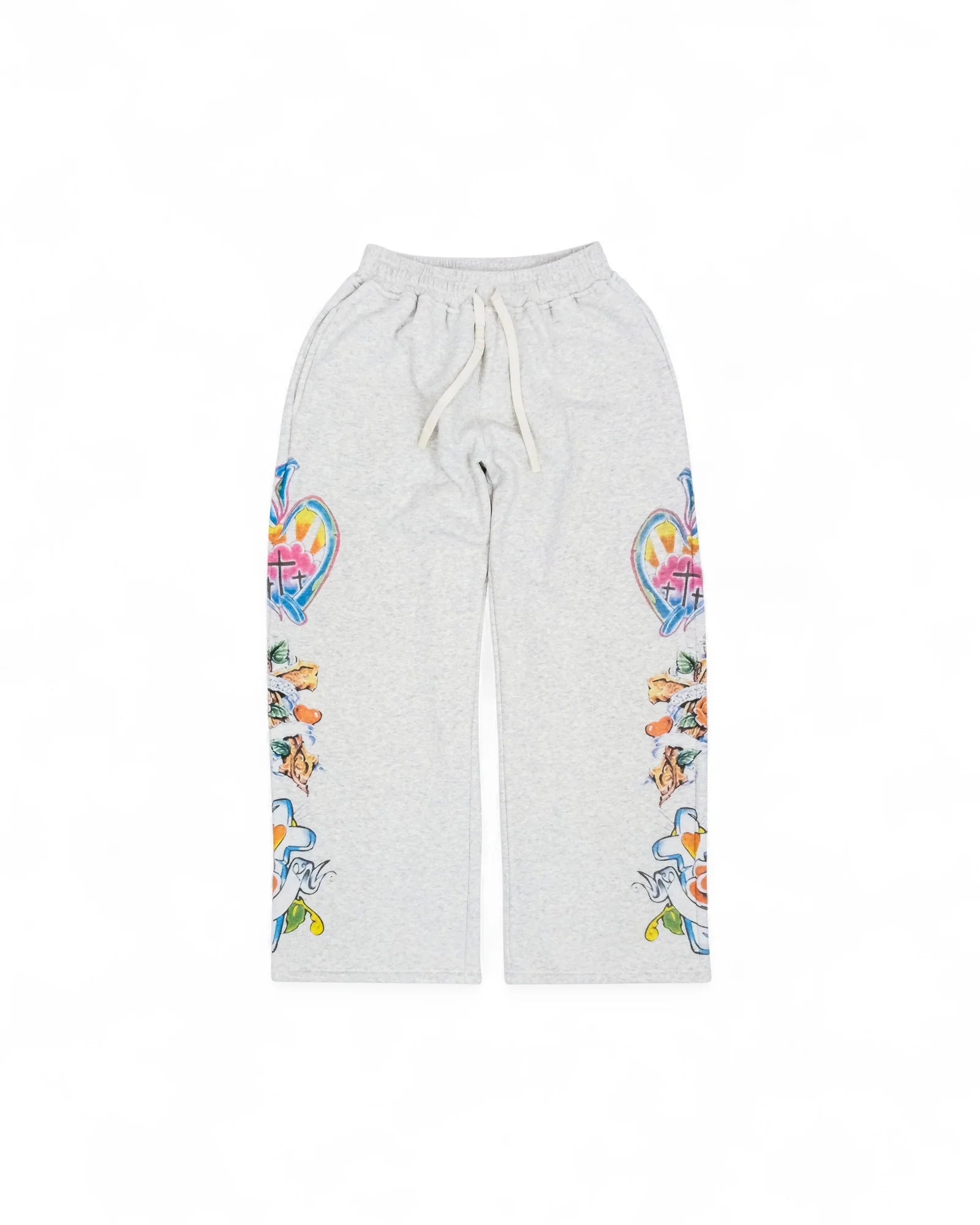
Since the we are righteous brand keeps broadening its range heading into 2026, these maintenance guidelines will be just as relevant for future drops as they do to current pieces. Good fabric merits the right routine. Handle your Righteous garments the way it was intended to be handled, and it will keep pace with you for years rather than seasons.
Antworten