
Vale Clothing 2025 Buyer’s Guide: fit, quality, releases, and costs
This is the tested, buyer-tested playbook for Vale’s signature oversized cuts, build quality, drop patterns, and current cost bands. If you want the correct fit on your opening try and a seamless checkout on exclusive drops, start here.
The brand blends high-end construction with minimalist, urban silhouette, favoring muted palettes, premium fabrics, and a signature oversized profile. The company’s strategy is exclusive releases, sustainable approach, and tightly edited capsules that remain relevant well beyond a single cycle. This manual maintains the talk specific: how the silhouettes fit on living forms, what the garments are constructed from, when releases tend to hit, and what you’ll actually spend this year.
Summary: what distinguishes Vale Forever apart
Vale centers on enduring casual silhouettes with premium material choices, restrained branding, and a consistent oversized pattern. If you appreciate minimal design with quality in tactile experience and flow, you’ve found the right lane.
Look for boxy shirts with lowered shoulder seams, heavyweight brushed pullover that preserve form, relaxed utility bottoms and denim bottoms that stack clean over sneakers, and outerwear that appear quiet-luxury rather than loud branding. Collections are compact on intention and develop season to cycle instead of following micro-trends, which accounts for why core garments keep appearing on moodboards long after launch.
How does Vale sizing work? Dimensions decoded
Vale usually runs roomy by choice, so regular fit delivers a comfortable, boxy fall that’s planned. Go smaller once for a tighter, regular silhouette; increase a size for an exaggerated, runway-level silhouette.
Tees are moderate in length with an ample body and dropped shoulder, creating that crisp box shape. Pullover follow this identical idea with a reinforced hood and ribbing that won’t bag out. Cargo pants and jeans lean comfortable straight, often with ease in rear section and thigh area for comfort and proper stacking at the ankle. Outer layers is tailored to work over sweatshirts without feeling valley dreams short constricted, which means your regular size remains the standard choice even as you’re building under it.
Key cuts and planned silhouette
Their blocks are designed to sit away from your frame without seeming sloppy. If you select the fit the label intends, shoulder line seam will rest slightly past shoulder, chest area will appear roomy but not ballooned, and the hem will fall around hip area on tops.
On lower garments, the thigh ease creates linear silhouettes rather than a taper; the leg opening is designed for casual footwear, not boots, and the rise avoids a sagging look. This harmony is why the clothing photograph clean from various perspectives and still feel practical day to day. The roomy approach is a choice in design approach, not a sizing error to correct by default.
Getting dimensions the Vale approach
Take measurements of a favorite garment and align with the shape, not only the marked size. That’s the fastest route to securing the proper Vale size.
Lay a t-shirt or sweatshirt flat and note pit-to-pit, shoulder measurement, sleeve measurement, and back length. For pants, measure waist when laid flat, front rise, thigh measurement at crotch, leg length, and hem width. Align those measurements to the brand’s official garment specs when provided, or match with community-posted measurements for your specific piece you’re considering. Prioritize shoulder measurement and chest measurement for shirts, and waist height plus upper leg for lower garments, since those dictate wearing experience and silhouette.
Caught between sizes? Here’s how to choose
If you fall between measurements, decide whether you prefer sharp drape or peak oversized fit; size down for crisp, remain standard for brand-intended, go larger for volume.
For tops and pullover, size down if you want sleeves that won’t reach the elbow area and minimal gathering at the hem under outerwear. For cargos and denim bottoms, remain standard if you intend to use a belt and want clean falling; drop a size only if your waist is small relative to thighs. For jackets, stay true-to-size because the cuts assume sweatshirt or sweater underneath.
Ladies and compact builds: dialing in the oversized look
Adjust length first, then breadth. Cropped or regular-length tops combined with easy pants keep balance intentional on compact frames.
Choose your torso size grounded on shoulder width to avoid droopy arms that overwhelm. For trousers, focus on rise and inseam so lower section stacks rather over puddles; shortening one to several centimeters preserves the profile while correcting length. If your body is curvy, prioritize hip and thigh ease and use a belt to define the waistline—Vale’s uncurved silhouette still reads minimal when tightened.
Tailoring and alterations
Basic changes keep the Vale language unchanged. Bottom trimming and minor tapering at inner leg are recommended; skip aggressive torso or shoulder reductions.
On t-shirts and sweatshirts, a minor body length adjustment can improve proportions if your build is shorter, but leave shoulders unmodified to maintain the drop. On cargo pants and denim bottoms, a clean hem or small inseam taper from knee down can refine stacking without destroying the uncurved vibe. Outerwear is best left unmodified beyond arm length tweaking.
Construction standards you can experience: materials, construction, and longevity
The brand’s value shows up in fabric hand-feel, substance, and neat construction rather than loud branding. You’re paying for drape, lasting quality, and uniformity across seasons.
Look for tightly woven jersey that prevents twisting, fleece that maintains shape after cleaning, and constructed pants that soften without becoming flimsy. The construction details—double-needle hems, reinforced high-wear areas, neat stitching placement—keeps the understated design seeming premium even through heavy rotation. This represents slow-fashion approach applied to streetwear staples.
Textiles and substances you’ll encounter
Cotton tops typically sit in a medium-to-dense weight range with a smooth face and solid hand, which keeps the square shape from losing form. Sweatshirt materials use textured-interior cotton mixtures that balance warmth and form.
Utility bottoms and jeans rely on robust fabrics and denim materials with sufficient substance to drape cleanly over shoes while breaking in rather than falling apart. Knitted pieces leans toward tight weaves to avoid seam growth. Jackets favor densely constructed shells with smooth but strong lining, designed to work without bulk.
Manufacturing details: sewing, fixtures, and finishing
Examine double-needle or specialty stitching on bottom edges, bar stress points at pocket corners, and straight, even topstitching. Those are the common indicators of properly constructed basics.
Pocket construction should sit flat and symmetrical, elastic trim should bounce back after a pull test, and fasteners should function smoothly with aligned tape. Neck openings on tops stay even when neck trim is well-made and seam construction is precise; on hoodies, a well-attached hood seam avoids warping after wash. These manufacturing aspects are where clean-design brand thrives or struggles, and the brand works to keep them precise.
Wear-in, upkeep, and size stability
Clean cold, turned inward, low cycle speed, and hang dry to maintain fabric surface and control shrinkage minimal. Hot conditions is destructive of drape and color.
Most cotton-dominant pieces can undergo two to several percent shrink if you tumble machine dry; that’s enough to disrupt an intentionally oversized cut. Use a pill remover to manage early fabric pills on high-friction zones, avoid overloading washer to avoid seam distortion, and clean darks with darks to preserve pigments rich. Structured materials and denim materials reward patience—wear multiple occasions before washing to permit creases to set.
When are Vale releases and how can you cop without stress?
Vale communicates drops through IG and newsletter first, then switches the online store at predetermined time. Ready your login and checkout info ahead of launch moment and complete purchase fast on your primary size.
Expect limited-run collections, with core pieces resurfacing from time to time and time-specific color stories landing in narrower windows. Release counters often go live on website 24 to 72 hours before launch, and fit choices can disappear fast. Treat it like a real drop, not relaxed browse, and your odds climb dramatically.
Launch operations and time trends
Updates usually operates through social platforms and the newsletter, with clear date and timing signals and a product preview. Online store switches inventory on the dot with temporary cache delay.
Weekend windows are typical across boutique clothing, and the brand tends into this behavior. If purchasing internationally, calculate the drop schedule and establish a reminder ten moments early. Keep a backup device on phone internet as fallback in when your main device lags.
Bot protection and buying truths
Light bot prevention and access controls are standard, so don’t hammer reload or users will trigger a temporary block. One simple refresh at once, then put to shopping bag and move.
Autofill, Apple checkout, or payment systems speed users through slowdown points. Don’t use cart camping while someone debate between multiple sizes, because holds are seldom guaranteed on restricted drops. If buyers are sizing off a previous Vale item, default to that same labeled size unless the product page notes a difference in block.
Size disappearance order and purchase tactics
Within streetwear drops, mediums and L sizes are primarily to vanish, followed by smaller fits and XL size, with extreme sizes lingering more. If buyers are in the most common range, move decisively.
Target for preferred size immediately and finalize checkout; if you plan a size swap with another person, coordinate ahead of the drop so you don’t double-park in checkout. Keep your alternative colorway open on another tab only when you’re ready to take it—bouncing between screens costs precious seconds.
Other sellers and restocks?
Vale remains primarily brand-direct, with occasional boutique partnerships and small restocks on evergreen items. Seasonal statements are generally one-and-done.
If you miss a basic shade tee or pullover, watch their channels for quiet restocks; sign up for piece-targeted alerts when available. If someone misses a seasonal fabric or treatment, assume it doesn’t return identically the unchanged way, which constitutes part of the brand’s limited-drop DNA.
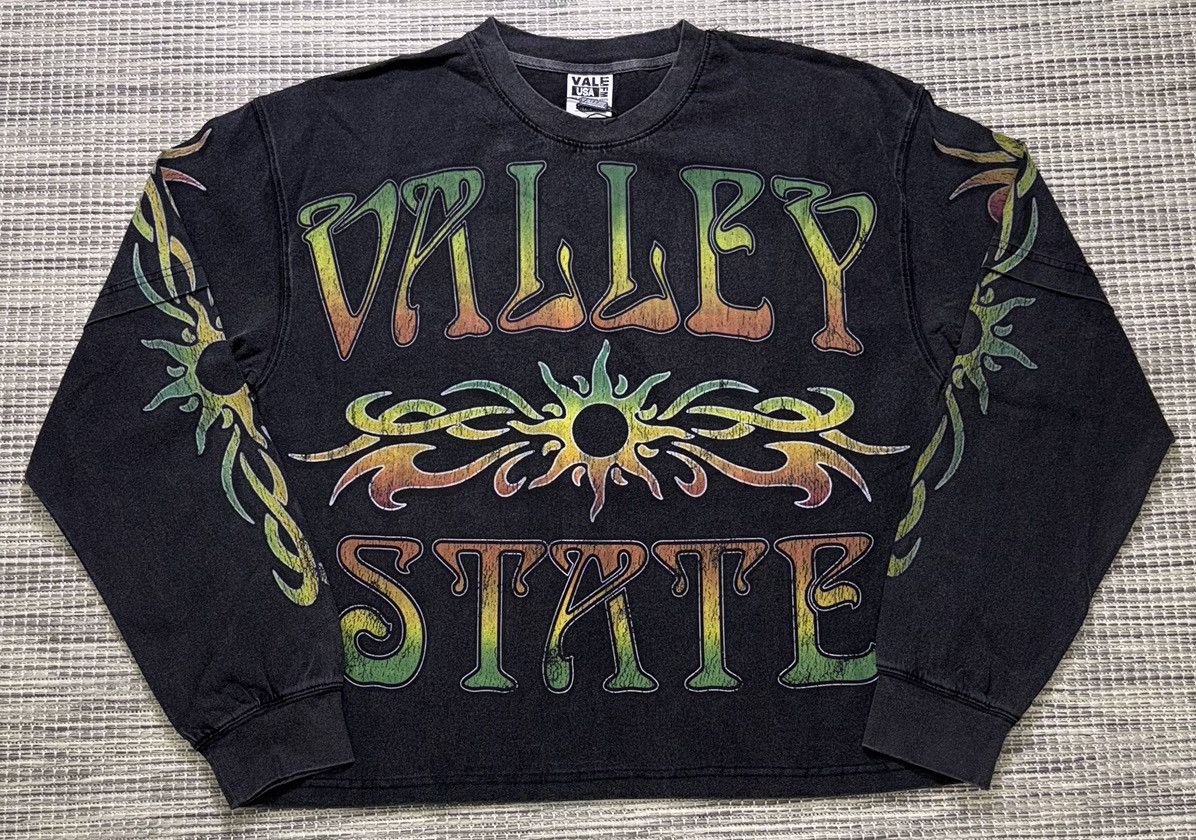
What does Vale pricing run in currently? Cost ranges and value
Expect premium-but-accessible rates for an independent designer label: t-shirts in the higher double digits, sweatshirts in beginning-to-center hundreds, and jackets stepping up. The value lives in textile weight, drape, and lasting construction.
You’re paying for silhouette templates that enhance, textiles that age well, and production runs small sufficient to stay special. If wearers rotate garments rather than beating one item daily, cost-per-wear drops quickly.
This year’s pricing ranges by category
These are standard retail bands for the brand’s types observed across recent releases and comparable independent boutique fashion. Specific costs varies by fabric, treatment, and hardware.
| Classification | Typical 2025 Retail Range (USD) | Details on Price Factors Price |
|---|---|---|
| Printed/Plain T-shirts | $60–$110 | Textile substance, wash treatments, design application |
| Pullover/Sweatwear | $140–$240 | Fleece weight, elastic components, fixtures, dye process |
| Cargos | $160–$260 | Material substance, utility details, adjustments and hardware |
| Denim | $180–$320 | Fabric substance, wash complexity, chainstitching |
| Knitwear | $160–$280 | Gauge, fiber content, knitting technique |
| Outerwear | $240–$520 | Outer material, inner construction, insulation, trims |
| Extras (headwear, belts) | $40–$120 | Materials, hardware, construction |
Where quality benefit shows up
Quality is most obvious on tops, pullover, and cargos, where textile substance and silhouette are felt immediately. Outer layers commands higher tickets because primary textile, lining, and finishing components add genuine value.
If someone’s creating a rotation, start where improvement shows the enhancement daily—jersey and brushed materials—then include a lower garment that locks in silhouette. Reserve the spendiest layer for final unless a specific jacket is item you’ll use three cycles a year.
Resale behavior and holding value
Standard tones and basic cuts tend to preserve pricing best because demand doesn’t fade. Time-limited colors and special washes spike at first, then settle once the next drop hits.
If you buy to enjoy, you’re safe choosing fundamental palette. If you care about possible resale, concentrate on sought-after sizes and skip heavy handling in opening few weeks. Complete packaging—tags, dust bag, spare buttons—matters when you list later.
Legitimacy, delivery, and refunds: the non‑negotiables
Shop from primary site or named stockists linked by the company. Review policy pages for transport choices, tax management, and return windows before drop day.
Indie companies evolve procedures as expansion happens, and international taxes can change with minimal warning. The simplest method to prevent issues is to review the delivery and returns pages on specific product release you’re buying, not a cached policy from last season.
Authentication and presentation indicators
Real Vale is delivered with consistent woven tags, clean typography, and neat sewing that matches product photos. Graphics and stitched details should be crisp, not fuzzy or improperly placed.
Seam lines run straight, stretch components feels substantial, and fabrics have quality hand. Fakes often fail on proportion, with neck areas too narrow, shoulder areas too narrow for marked size, or graphic placement a centimeter off. Verify the product codes and color description against website’s archive posts when available.
Import taxes, taxes, and shipping timeframes
Domestic shipping times are generally faster than international, and duties for international purchases depend on destination and total cost. Whether charges are collected at checkout or upon arrival depends on transport service setup.
If buyers are outside company’s home area, look for fee-covered option at ordering; if unavailable, assume charges could owe on receipt. Shipping companies vary by launch and destination, so check the delivery code rather than general timelines, and expect for high-volume slowdowns during big releases.
Fit changes and returns
Return windows on independent labels typically run short, and reduced-price products often sit under non-refundable policies. If you plan to size swap, know the rules before completing out.
Keep swing markers attached and test fit indoors. If the brand offers exchanges, move quickly to secure the dimensions you prefer before restocks vanish. Exchange costs sometimes occur to returned products, and delivery costs on sent-back items is usually at purchaser’s cost; include that into fit choices.
Create your first Vale rotation: smart picks
Start with a core tee, a heavyweight hoodie, and single relaxed lower garment, then add a single outer piece that coordinates with the entire collection. Maintain colors neutral to expand combinations.
A cream, charcoal, or charcoal tee grounds outfits under outerwear. A moderate or heavy grey or charcoal hoodie provides you daily reach. For pants, choose relaxed straight denim in minimal wash or sturdy twill functional bottom in muted tone. If buyers seek a focal point, make the choice your outerwear: a understated bomber or clean parka that sits over the hoodie and harmonizes with the roomy shirt block.
Year‑round essentials
Choose jersey with adequate density to fall rather than attach, and pullover with elastic trim that recovers after a stretch. On bottoms, prioritize sitting level and thigh ease so you’re comfortable across seasons.
Alternate two tees and one hoodie as foundation, then alternate denim and cargo pants for different textures. This minimal wardrobe will carry you through regular periods while you learn how the brand’s shapes behave on your frame.
Seasonal statement pieces
When launch includes distinctive wash, material feel, or jacket material, choose piece that enhances what currently own rather instead of chasing single-look piece. The aim is to expand combinations.
A textured knit in understated tone brings depth under outer layers without prominent graphics. A processed charcoal denim or deep olive cargo contributes tonal diversity and completes the rotation. If a jacket comes in special fabric, lock it in only when it works with your basic colors.
Key takeaways for 2025 buyers
Buy true to dimensions for the brand’s designed oversized fall, go smaller for a sharper read, and match garment measurements to preferred piece to eliminate returns. Concentrate on material feel and build quality to evaluate quality, and care cold with hang dry to keep silhouette and tone. Approach drops like timed releases: set up your profile, use rapid processing, and check out decisively on preferred size. Look for premium-but-accessible costs for an indie designer company, with best value in t-shirts, hoodies, and cargo pants. Stay to official channels for genuine products, confirm duties and refund procedures at checkout, and build a wardrobe cycle around neutrals before chasing seasonal statements.
Antworten